

What Vibration Patterns Actually Feel Different?
Most vibrators advertise a long list of speeds and patterns, but in practice, a lot of them blur together more than the packaging suggests. Understanding what genuinely changes the sensation, versus what's really just a cosmetic variation, helps you get more out of a toy you already own and shop smarter for your next one.
Steady vs. Pulsing Patterns
This is the most noticeable and meaningful distinction. A steady, constant vibration delivers consistent sensation without interruption, which many people find builds intensity more predictably over time. Pulsing patterns, by contrast, rhythmically speed up, slow down, or cut in and out, creating a very different sensory experience, some people find this more teasing and build-up focused, while others find it interrupts momentum. If you're new to a toy with multiple patterns, this is usually the first thing worth testing, since it tends to matter more than speed alone.

Escalating vs. Random Patterns
Escalating patterns gradually build in intensity over a set cycle, then often reset and repeat, giving a sense of rising and falling sensation. Random or "wave" patterns shift unpredictably rather than following a set rhythm, which some people find more exciting specifically because it removes predictability from the equation. Whether you prefer a pattern you can anticipate or one that keeps things varied is really a personal preference question, there's no universally "better" choice here.
Speed Alone Isn't the Whole Story
It's easy to assume more speeds automatically means more options worth using, but in reality, many toys have several speed settings that feel nearly identical to each other, with only a couple of genuinely distinct intensity levels in between. What matters more than the total number of speeds is how meaningfully different the lowest and highest settings actually feel, and how in that sense a toy with fewer, well-spaced options can outperform one with a long list of barely-different ones. If raw intensity across the full range matters most to you, our piece on how powerful does a vibrator need to be is a more useful read than counting pattern numbers on a spec sheet.

Why Motor Placement Changes How Patterns Feel
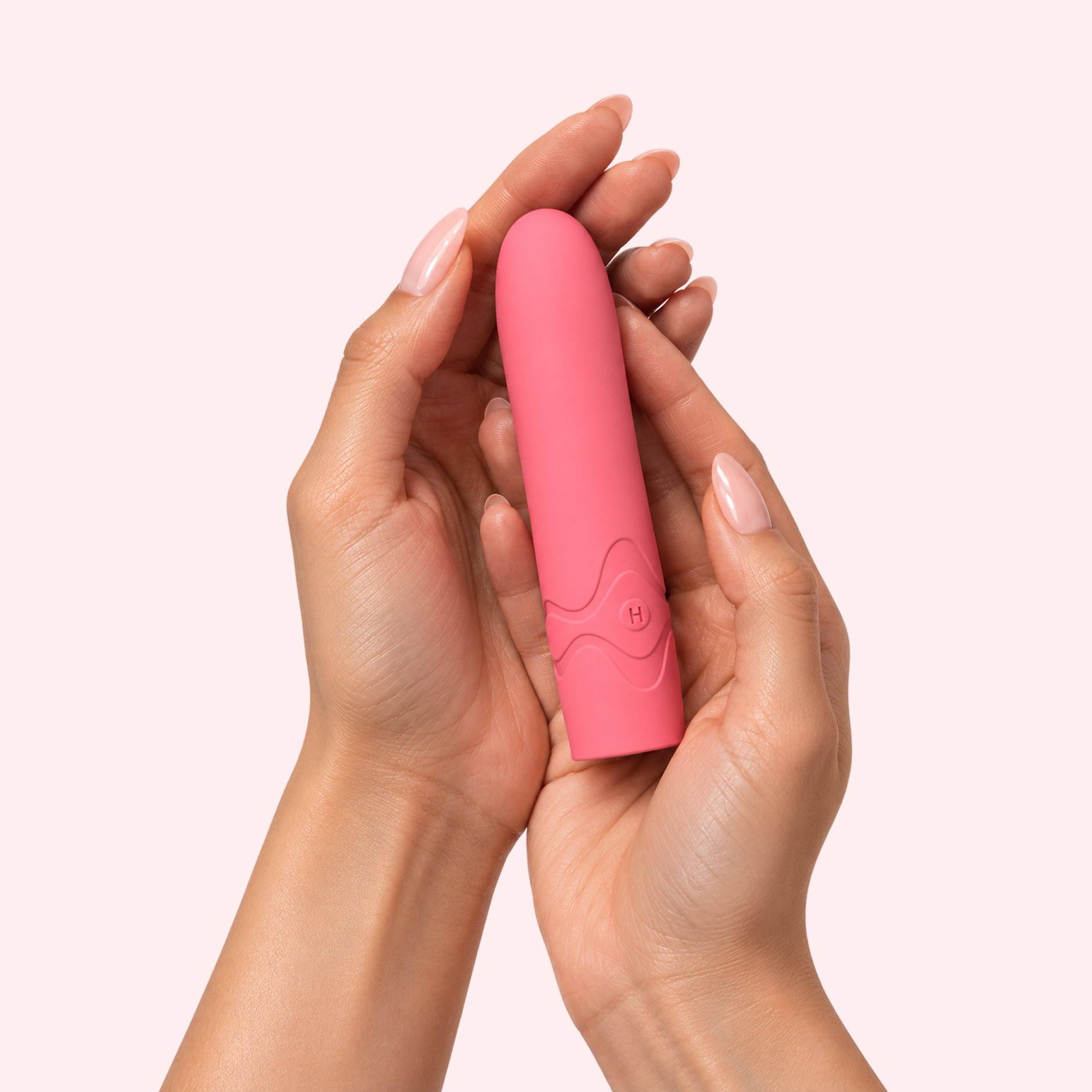
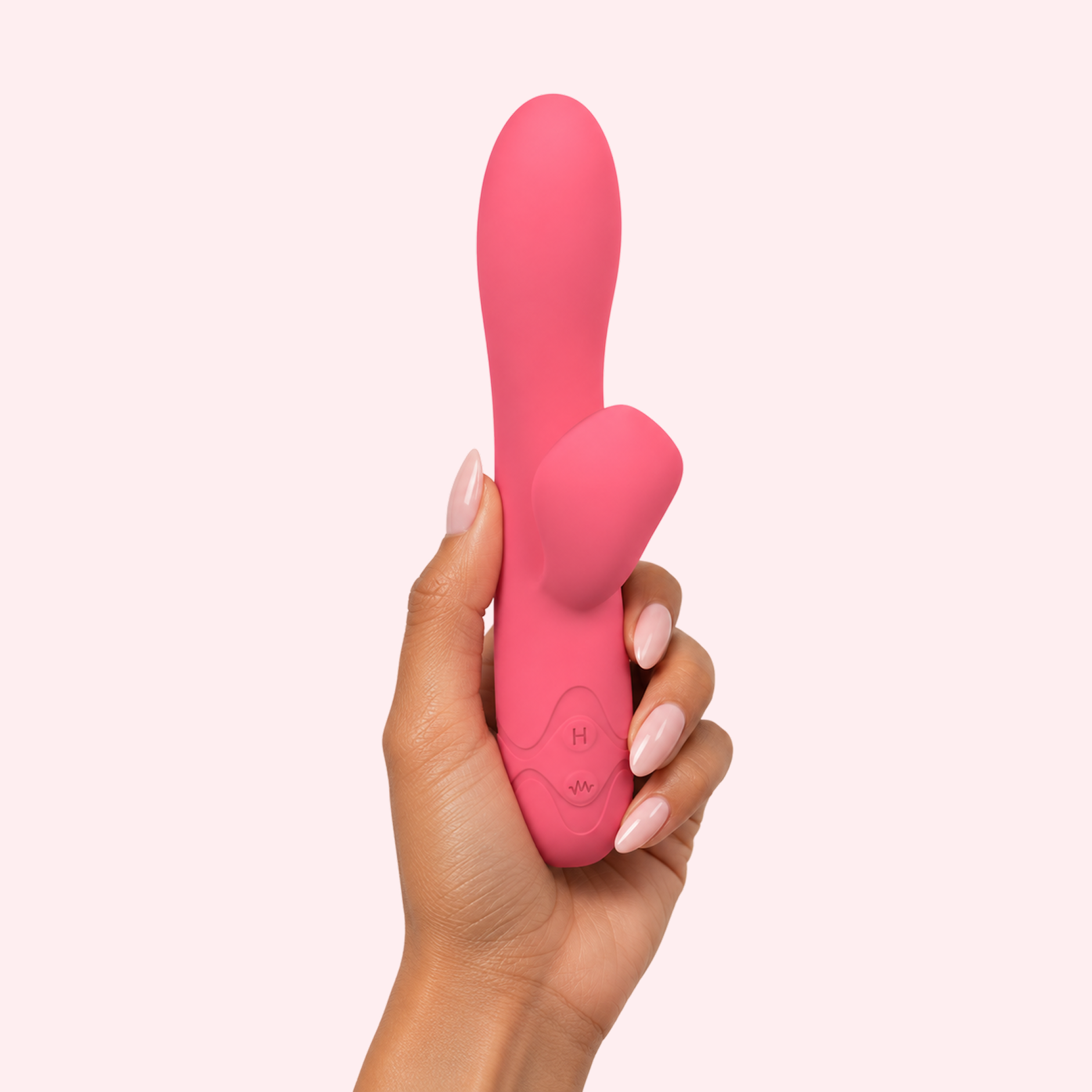
The same pattern can feel completely different depending on where and how a toy is shaped to deliver it. A single-motor bullet concentrates every pattern into one small point, making pulses and escalations feel sharp and precise. A dual-motor toy, like a rabbit-style vibrator, can run different patterns on each motor simultaneously, layering internal and external sensation in a way a single motor simply can't replicate. That's part of what makes the HushRabbit™'s independent dual-motor controls feel different from a single-motor toy running the exact same pattern list.
How to Actually Choose Based on This
Rather than picking a toy based on the total number of advertised patterns, think about which category of sensation you actually enjoy, steady versus pulsing, predictable versus random, and prioritize a toy that executes a few patterns you'll genuinely use well, rather than a long list you'll never touch. If you're comparing compact single-motor options directly, our post on bullet vibrator vs wand vibrator covers how shape affects sensation delivery too.

The Bottom Line
Not all patterns are created equal, and the difference between them matters more than the total count on a spec sheet. Knowing what steady, pulsing, escalating, and random patterns actually feel like helps you get more out of any toy, and shop smarter for the next one.
Shop the Hush Collection
 HushBullet™ |
 HushRabbit™ |
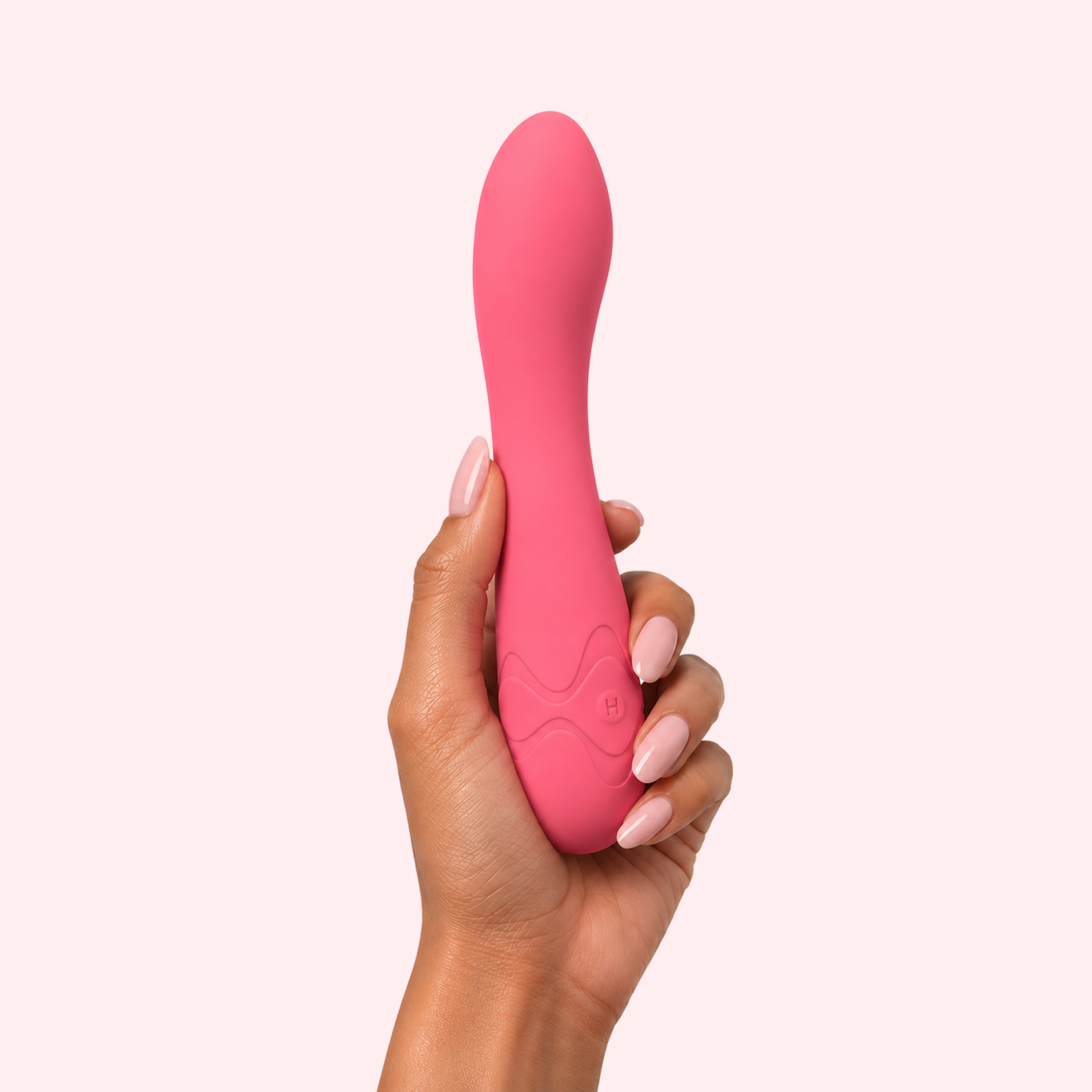
 HushGSpot™ |