

ABS Plastic vs Silicone Vibrators
These are the two most common materials you'll run into while shopping, and they show up in very different roles depending on the toy. Understanding where each one is actually used, and why, helps you make sense of a product listing instead of just trusting whichever word sounds nicer.
Where You'll Typically Find Each One
Silicone is almost always used for the parts of a toy that make direct, prolonged contact with skin, the main body of most modern vibrators. ABS plastic, on the other hand, is commonly used for internal structural components, control buttons, and sometimes outer shells on toys designed with a firmer, more rigid feel. It's rare to find a toy made entirely of one material, most combine both, using each where its properties make the most sense.

Feel and Texture
This is usually the most noticeable difference. Silicone is soft, slightly matte, and warms up to body temperature fairly quickly, which many people find feels more natural against skin over extended use. ABS plastic is hard, smooth, and stays at room temperature rather than adapting to your body, giving toys made primarily from it a firmer, more rigid sensation throughout. Neither is inherently better, it genuinely comes down to personal preference for texture and firmness.
Hygiene and Porosity
Medical-grade silicone is non-porous, meaning bacteria and residue can't easily work their way into the material itself, which makes it easier to clean thoroughly and safer for repeated use over time. ABS plastic is also non-porous and generally easy to clean, though it typically requires gentler cleaning products since it can be more prone to surface scratching than silicone, and scratches can eventually create places for bacteria to collect. We cover proper cleaning technique for silicone specifically in how to clean a silicone vibrator properly.

Durability
ABS plastic tends to hold its shape and surface finish for a very long time, resisting wear better than silicone in terms of structural integrity. Silicone, while extremely durable in its own right, can gradually become slightly tackier over years of use, especially with lower-quality lubricants or cleaning products. This doesn't mean silicone wears out quickly, high-quality medical-grade silicone lasts for years with proper care, but it's worth knowing the two materials age somewhat differently. If you're wondering how to tell when any toy has genuinely reached the end of its usable life, we cover the signs in how often should you replace your vibrator.
Which Should You Choose?
If skin contact, softness, and a body-safe feel are your priority, an all-silicone or primarily silicone toy is generally the better fit. If you prefer a firmer, more rigid sensation, or you're drawn to a toy's structural design specifically, ABS components aren't something to avoid, just something to be aware of in terms of where they sit on the toy and how much direct contact they'll actually have. Either way, verifying the material is genuinely body safe, rather than assuming from the label alone, matters more than which one you choose. We cover how to actually verify that in what is body safe silicone.

The Bottom Line
Neither material is universally superior, they serve different purposes and offer a genuinely different feel. Knowing where each one is used on a specific toy, and confirming it's a high-quality version of that material, matters more than picking a side. Our complete guide to body safe materials covers this in more depth if you want the full picture.
Shop the Hush Collection
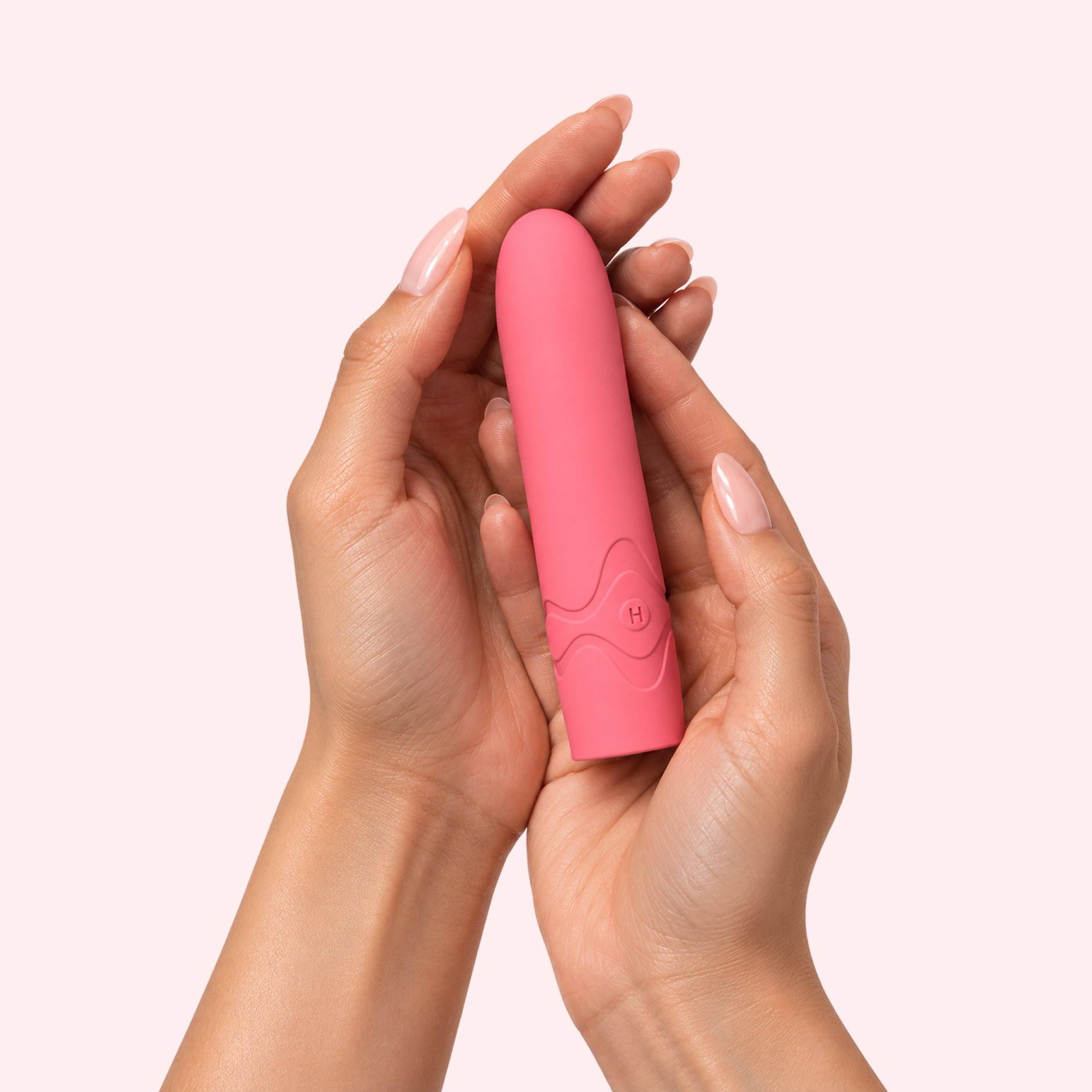
 HushBullet™ |
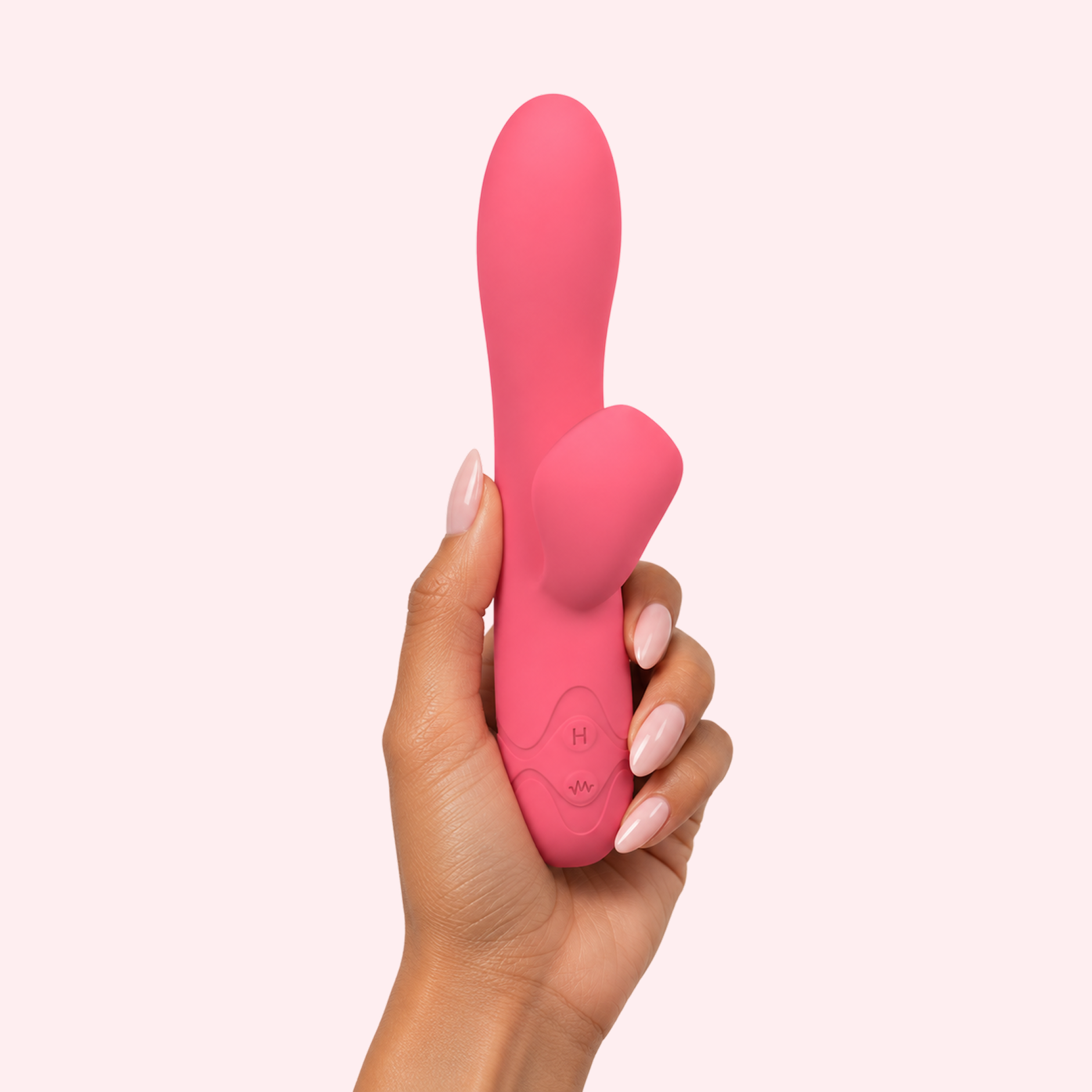
 HushRabbit™ |
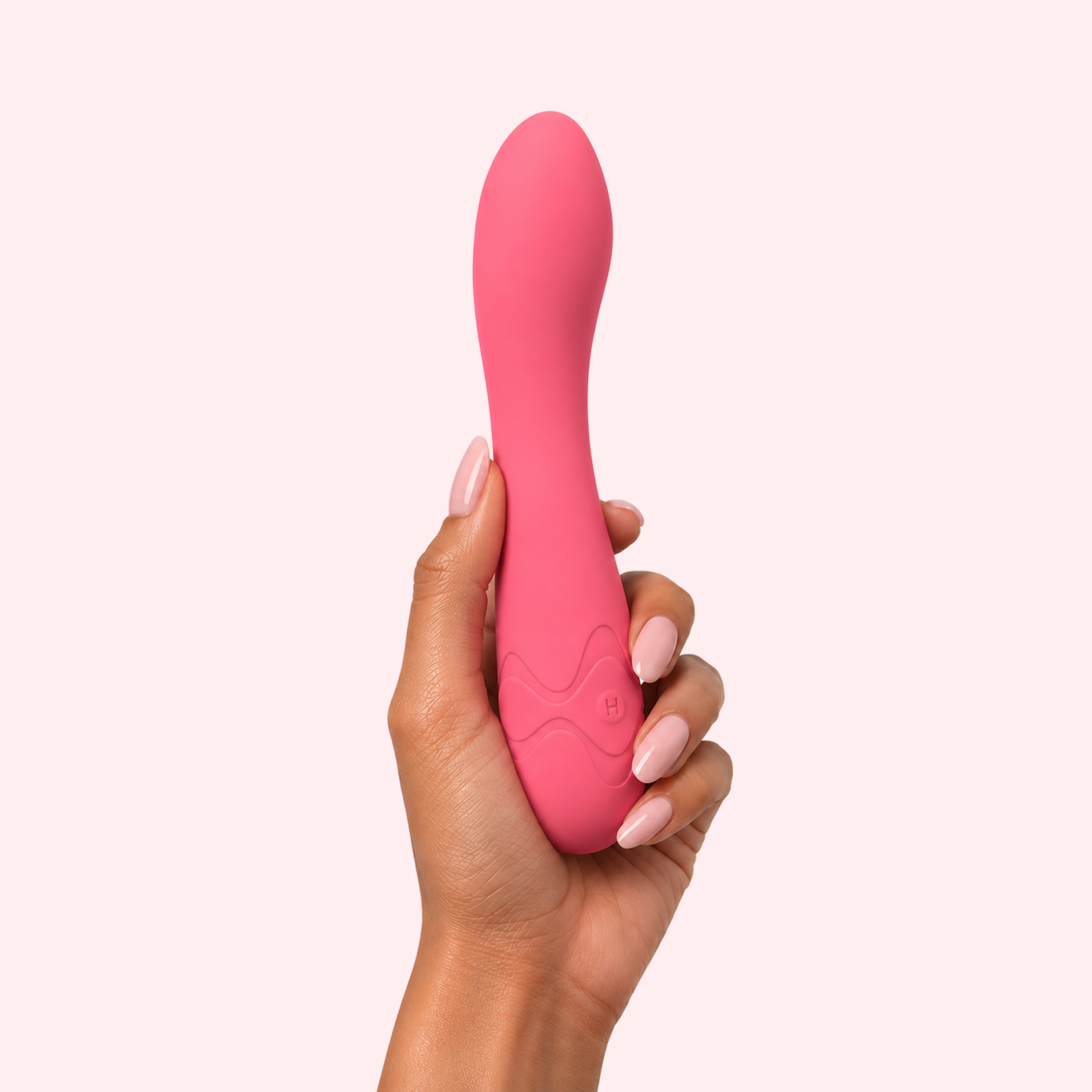
 HushGSpot™ |