

What Is Body Safe Silicone?
"Body safe" is a phrase that shows up on nearly every product listing, but it's not a legally regulated term, which means it's used with wildly different levels of honesty across the industry. Understanding what actually makes silicone body safe, rather than just labeled that way, is one of the most useful things you can learn before buying any intimate product.

What "Body Safe" Actually Means
Body safe silicone refers to medical-grade or platinum-cured silicone that's non-porous, hypoallergenic, and free from harmful additives like phthalates, which are chemical softeners linked to health concerns and commonly found in lower-quality materials. Genuine body safe silicone doesn't leach chemicals, doesn't harbor bacteria the way porous materials can, and is inert enough that it won't react with your body's natural chemistry over repeated use.
Why "Non-Porous" Matters So Much
This is the detail that separates good silicone from bad. High-quality, medical-grade silicone is essentially non-porous at a microscopic level, meaning bacteria, fragrances, and residue can't work their way into the material itself the way they can with cheaper silicone blends or porous materials like jelly rubber. Lower-quality "silicone" is sometimes cut with fillers to reduce manufacturing cost, which can introduce microscopic porosity even though the product is still technically labeled silicone. This is part of why two products can both say "silicone" on the packaging while behaving very differently over time in terms of hygiene and durability.

How to Actually Verify It
Since "body safe" itself isn't regulated, look for more specific language instead: platinum-cured silicone, medical-grade silicone, or phthalate-free explicitly stated, rather than "body safe" alone. A silky, slightly matte texture that doesn't feel tacky or sticky is usually a good sign, while a shiny or oily-feeling surface can sometimes indicate lower-quality material or an inferior manufacturing process. If a listing is vague about the exact grade of silicone used, that's often worth taking as a signal to look elsewhere.
How This Compares to Other Materials
Silicone isn't the only material used in vibrators, ABS plastic is common too, particularly for outer shells or handles, and it has its own trade-offs in terms of feel, durability, and hygiene. If you're weighing the two directly, our comparison of ABS plastic vs silicone vibrators breaks down where each one makes sense.

Why This Affects How Long a Toy Lasts
Material quality doesn't just affect safety, it affects longevity too. Genuine medical-grade silicone holds up to repeated cleaning and use far better than lower-quality blends, which can degrade, become tacky, or develop a stickier texture over time. Proper cleaning technique also plays a role in this, which we cover in how to clean a silicone vibrator properly.
The Bottom Line
Body safe silicone is about material quality you can actually verify, not just a label on a box. Learning to look past the marketing phrase and check for specifics protects both your health and your investment in the long run. For a broader look at materials across the entire category, our complete guide to body safe materials covers everything in one place.
Shop the Hush Collection
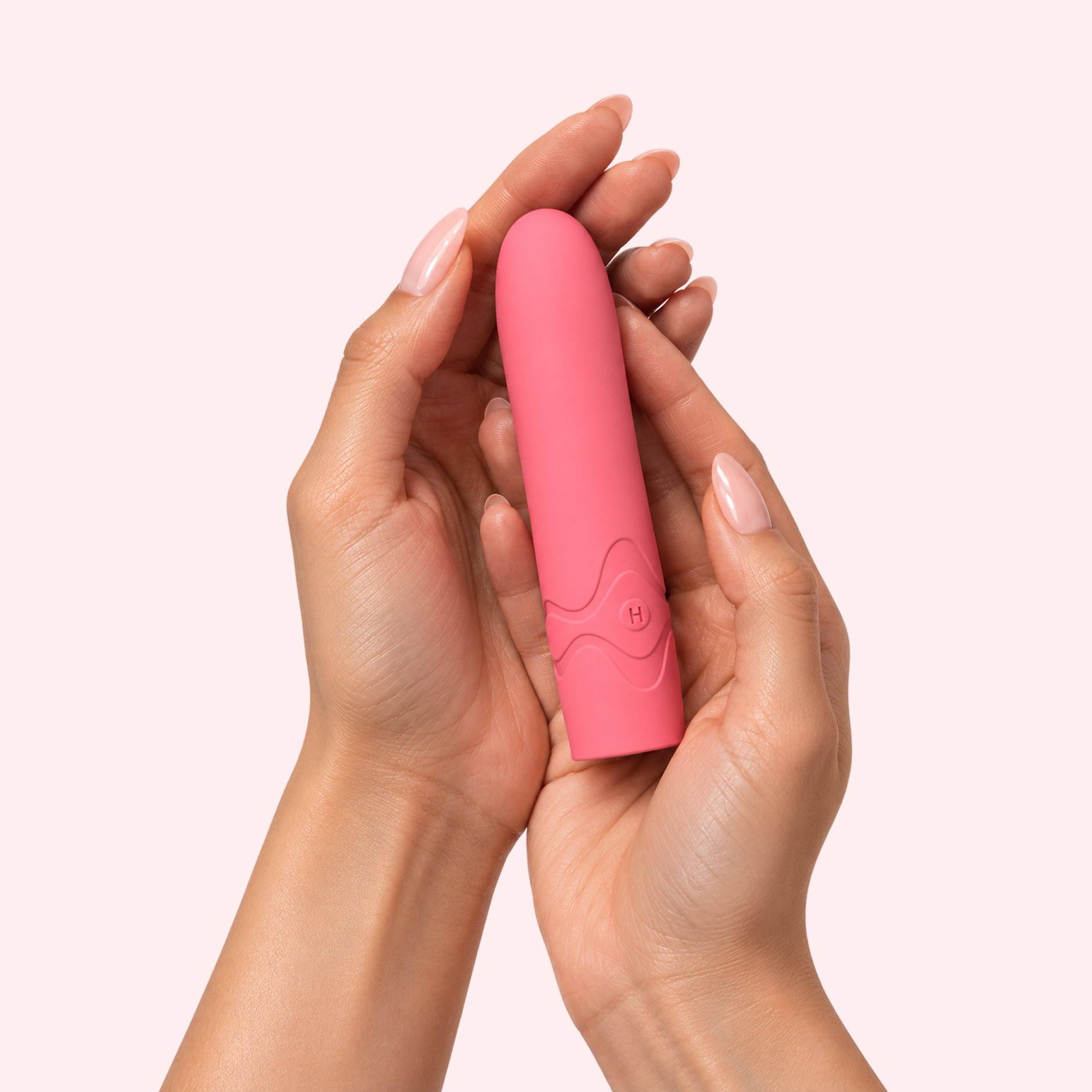
 HushBullet™ |
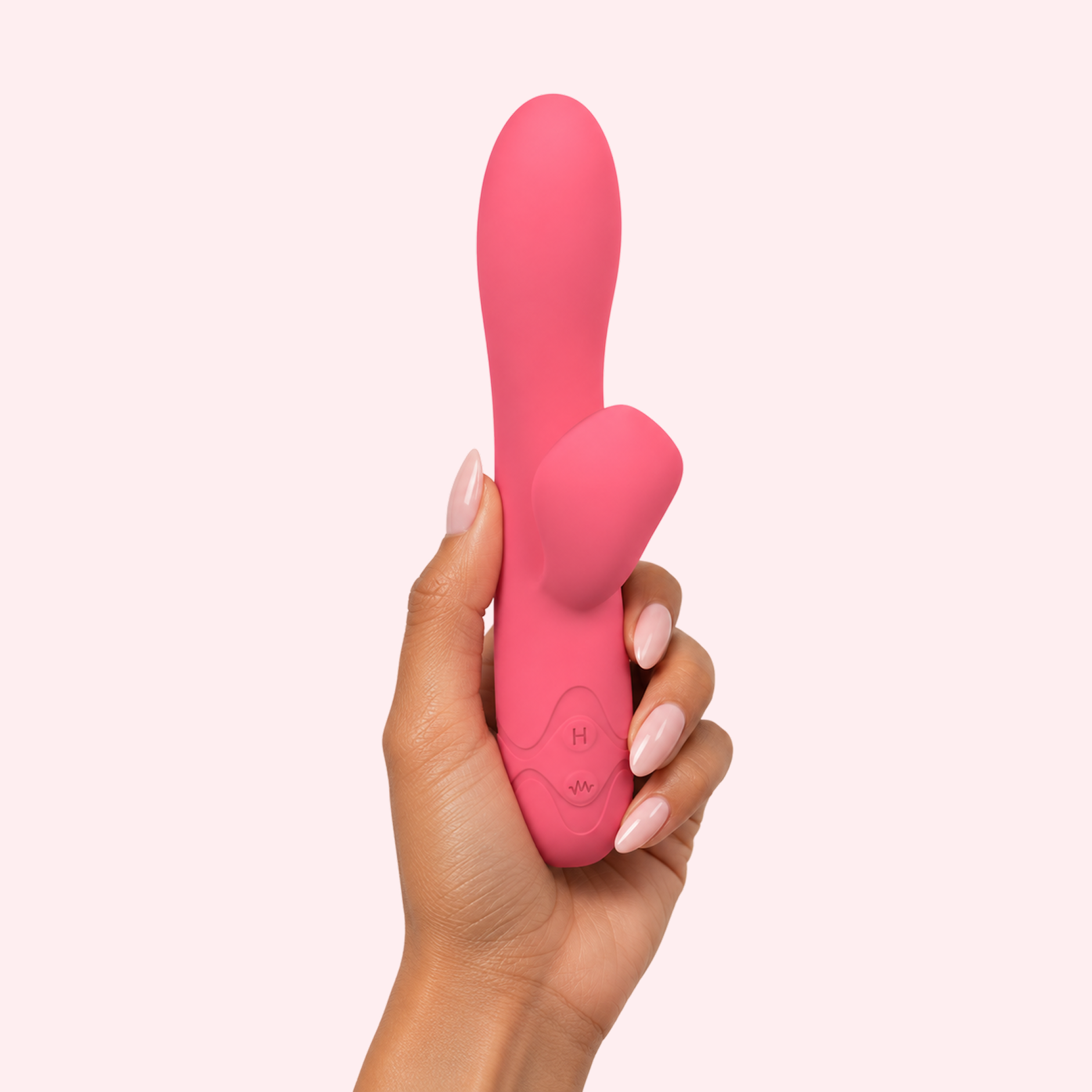
 HushRabbit™ |
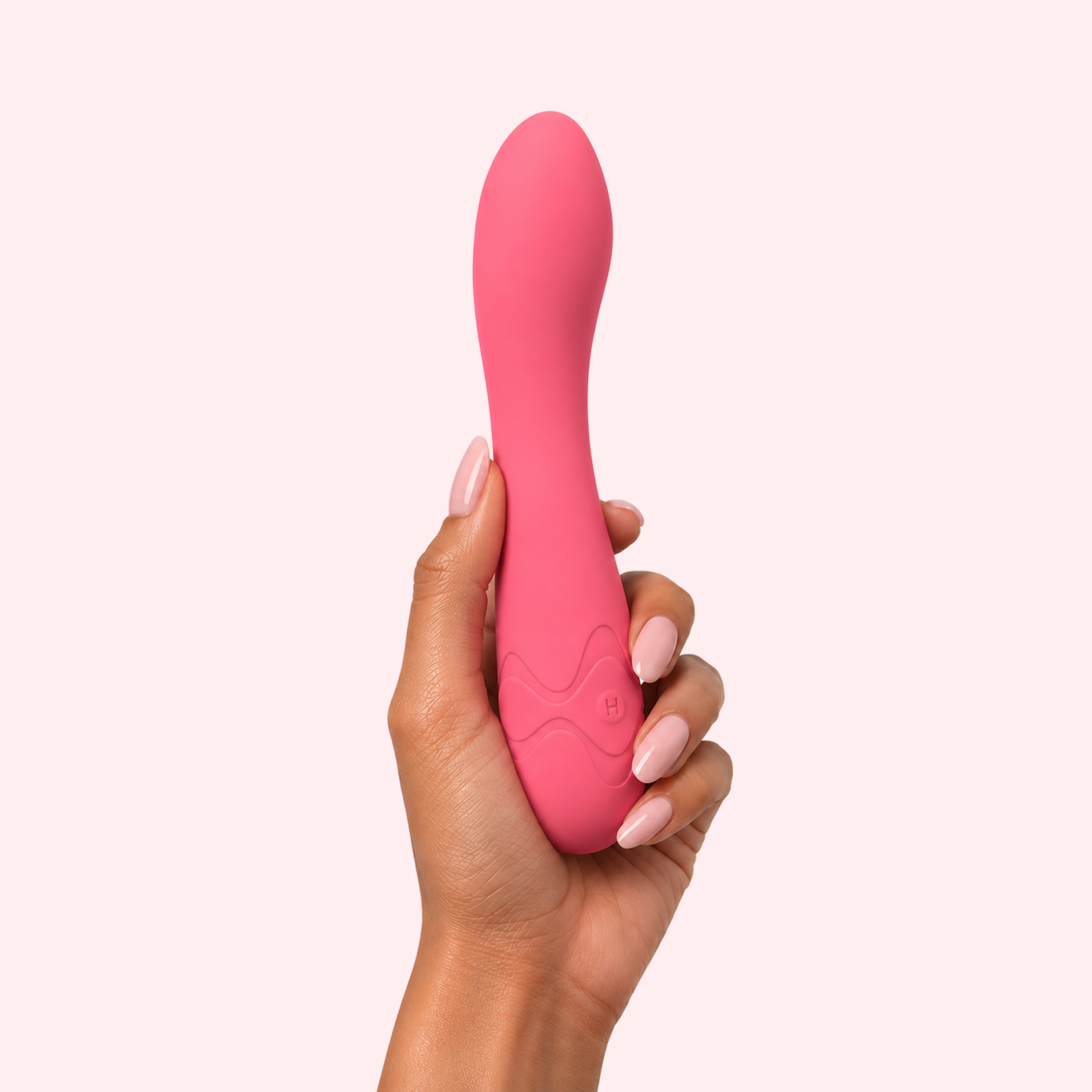
 HushGSpot™ |