
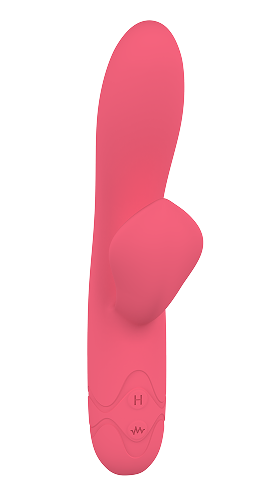


Are Quiet Vibrators Worth It? Pros and Cons
Quiet vibrators tend to cost a little more than standard ones, and it's fair to ask whether that difference actually gets you anything beyond peace of mind. The short answer is yes, but not for the reason most people assume. It's not just about hiding sound from someone else in the house, it changes how you experience the toy yourself. Here's an honest look at what you're actually paying for, and where it does and doesn't matter.
The Case For Quiet Vibrators
You stop performing damage control mid-use. If you've ever paused, repositioned a pillow, or turned music up specifically to mask sound, you already know how much that interrupts the moment. A genuinely quiet vibrator removes that mental math entirely, so you can actually stay present instead of half-monitoring the volume. If you're curious how we define "quiet" in the first place and what makes a toy fall into that category, we cover the specifics in what a silent vibrator actually is and how quiet they really get.

They travel and cohabitate better. Dorms, shared apartments, thin-walled rentals, staying at a partner's family home, hotel rooms with paper-thin doors, quiet design solves a real logistical problem in all of these situations, not just a hypothetical one. It's the difference between a toy you can only use in narrow windows of total privacy and one you can actually use whenever you want.
Quieter often means better-engineered, not just muffled. Cheap manufacturers sometimes try to "fix" loud motors by wrapping them in extra padding, which dulls the power along with the sound. Well-designed quiet vibrators solve the noise problem at the motor and housing level instead, which is why the good ones deliver strong, deep vibration without the buzzy rattle, rather than a weaker version of a louder toy.
The Case Against (or At Least, the Trade-Offs)
Price. Acoustic engineering, denser materials, and better internal baffling all cost more to manufacture, and that shows up in the price tag. If quiet genuinely isn't a priority for you, for example you live alone with no shared walls, you may be paying for a feature you won't personally use.
"Quiet" isn't a single fixed number. Not every product marketed as quiet performs the same way, and decibel claims on packaging aren't always tested the same way across brands. It's worth understanding the real range before you buy so you're not comparing marketing language instead of actual performance. Our piece on how loud the average vibrator actually is breaks down realistic decibel expectations by toy type.
Some people simply don't need it. If privacy has never been a concern for you, the loudest vibrator on the market and the quietest one will feel functionally identical in terms of your day-to-day use. In that case, other features like motor strength, shape, or waterproofing might matter more to your decision than noise level does.

So, Is It Worth It?
If you've ever avoided using a toy because of who might hear, hesitated at a certain volume setting, or simply want the freedom to use it wherever you happen to be, quiet design is worth the price difference. It's solving a problem you already have, not manufacturing a new one. If privacy isn't a concern for you at all, you can likely prioritize other features instead and spend less.
For a broader breakdown of what to actually look for when comparing options, from motor type to materials to battery life, our ultimate guide to buying a quiet vibrator walks through the full decision, not just the noise question.
The Bottom Line
Quiet vibrators aren't a luxury upgrade for its own sake, they solve a specific, common frustration. Whether that frustration applies to you is really the only question that matters when deciding if the extra cost is worth it.
Shop the Hush Collection
 HushBullet™ |
 HushRabbit™ |
 HushGSpot™ |