


Cleaning, Charging, and Caring for Your Vibrator
Quick answer: Clean your vibrator before first use and after every use with mild, unscented soap and warm water or a dedicated toy cleaner, dry it fully before storing, and avoid submerging it unless it's specifically rated waterproof. Charge it with the cable it came with, avoid leaving it plugged in for days at a time once it's full, and store it in a dedicated pouch away from other silicone items and direct sunlight. Done consistently, this routine keeps the material hygienic, keeps the motor running smoothly, and — since buildup and wear are two of the most common causes of a toy getting louder over time — keeps it quiet, too. None of these steps are complicated on their own; the value comes from doing them consistently rather than occasionally.
Why Care Routine Affects More Than Hygiene
It's easy to think of cleaning and charging as separate, purely maintenance-focused tasks, but both are directly tied to two things people usually care about far more: how safe the toy is to keep using, and how well it continues to perform. Residue left on a silicone surface isn't just a hygiene issue — over time it can degrade the material itself, and as covered in our guide to silent vibrators, degraded seals and loosened components are one of the most common reasons a previously quiet toy starts sounding noticeably louder.

Charging habits matter for a similar reason. Batteries that are regularly run all the way to empty before recharging, or left charging far longer than needed, tend to degrade faster than those charged more moderately — which affects not just how long the toy lasts overall, but how smoothly (and quietly) the motor runs as the battery ages.
Put together, cleaning and charging aren't really two separate chores — they're the two habits that determine whether a well-designed, quiet, body-safe product actually stays that way for years, or gradually loses those qualities within months through avoidable wear. Neither habit takes more than a couple of minutes once it's part of a routine, which makes the return on that small time investment fairly high.
The Basic Cleaning Routine
The core routine is the same for most silicone toys, whether it's your first use or your hundredth:
- Before first use: Wash with mild, unscented soap and warm water, or a dedicated toy cleaner, even though the product is new. Manufacturing and packaging can leave residue that's worth removing before the first use — this is standard practice recommended by most manufacturers, not an extra precaution specific to any one brand.
- After every use: Rinse or wipe down promptly rather than letting residue sit and dry, which is harder to fully remove later. Use mild soap and warm water, working into any seams or textured areas. This step is worth treating as non-negotiable rather than optional, since it's the single habit that prevents most long-term material and hygiene issues.
- Drying: Air dry fully, or pat dry with a clean, lint-free cloth, before storing. Storing a toy while still damp is one of the more common contributors to lingering odor or material degradation over time. Avoid using a towel that's been used for other purposes, since it can transfer lint or residue onto the still-damp surface.
- Periodic deep clean: Even with regular after-use cleaning, an occasional more thorough clean (following manufacturer instructions, since this varies by waterproof rating) helps address any residue that's accumulated in harder-to-reach areas like button seams.
Cleaning by Material Type
Not every toy is made from a single material throughout, and cleaning method should match the specific surface and rating of the product you own rather than a single generic rule. Here's how the common categories break down:
| Material | How to Clean |
|---|---|
| Medical-grade silicone (fully waterproof) | Mild soap and warm water, or boiling for a deeper clean if the manufacturer confirms this is safe |
| Medical-grade silicone (water-resistant, not submersible) | Wipe down with a damp cloth and mild soap; avoid submerging or running under a direct stream near seams |
| ABS plastic components | Wipe with a damp cloth and mild soap; avoid submerging electronic housings unless rated waterproof |
| Glass or stainless steel | Mild soap and warm water; can typically tolerate more thorough sterilization methods than silicone-motor combinations |
All HushVibes products — the HushBullet™, HushRabbit™, and HushGSpot™ — use medical-grade silicone exteriors, so a mild soap and warm water routine after each use is the right default; check the specific product listing for its exact waterproof rating before submerging.
Cleaning Considerations by Shape
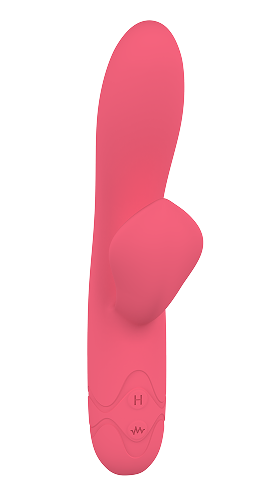
Beyond material, the physical shape of a toy affects how thoroughly you can clean it, and where residue is most likely to accumulate unnoticed. Simple, single-surface shapes like a bullet vibrator have relatively few places for residue to hide, making a quick wipe-down or rinse sufficient in most cases. More contoured shapes — like dual-motor rabbit-style designs or curved G-spot toys — have more seams, curves, and transition points between components, which means paying closer attention to those specific areas during cleaning rather than just running water briefly over the whole surface.

For any toy with a seam where two material sections meet (common where a silicone exterior meets a control button or charging port), it's worth gently working a soft cloth or your fingers into that seam during cleaning rather than assuming a quick rinse reaches it fully. This is where residue is most likely to accumulate unnoticed over repeated uses.
What Not to Use When Cleaning
Avoid: Alcohol-based cleaners or hand sanitizer
Alcohol can dry out and degrade silicone over repeated use, making the surface more porous over time even if it started out non-porous. Stick to mild soap or a cleaner specifically formulated for toys.
Avoid: Scented or antibacterial dish soap
Added fragrances and antibacterial agents can irritate sensitive skin with repeated exposure, even if they're gentle enough for dishware. A plain, unscented soap is the safer default.
Avoid: Dishwashers and washing machines
Despite the appeal of convenience, dishwasher heat and detergent, along with washing machine agitation, can damage both the material and any internal electronics. Hand cleaning is the safer, if slower, method.
Avoid: Silicone-based lubricant residue left uncleaned
If silicone-based lubricant was used despite the general recommendation against it, cleaning promptly afterward is especially important, since prolonged contact accelerates material degradation.
Avoid: Abrasive sponges or scrub brushes
Textured scrubbing tools can create microscopic scratches in silicone over repeated use, which ironically can make an originally non-porous surface behave more like a porous one over time. A soft cloth or bare hands with mild soap is gentler and just as effective.
Avoid: Extended soaking
Even for fully waterproof products, extended soaking (well beyond a normal wash) isn't necessary and offers no real hygiene benefit over a thorough but brief clean, while adding unnecessary water exposure time to seams and electronic housings.
HushRabbit™
Medical-grade silicone exterior designed for easy, thorough cleaning between uses, with independently controlled dual motors and a compact charging design built for real routines, not just showroom demos.
Shop the HushRabbit™Charging Basics
Most modern rechargeable vibrators use a magnetic USB charging cable, which snaps onto contact points on the toy rather than plugging into a port directly — a design chosen partly because it keeps the outer casing fully sealed, supporting both waterproofing and hygiene. A few habits keep this process safe and effective:
- Use the cable that came with it. Charging cables and contact pin spacing vary between brands and sometimes between products from the same brand, so a cable from a different toy isn't guaranteed to fit or charge safely. If a cable is lost or damaged, it's worth ordering a manufacturer-specific replacement rather than assuming a generic magnetic cable will align correctly.
- Charge on a stable, dry, ventilated surface. Avoid charging on soft bedding or under blankets, which can trap heat during charging. A hard, open surface like a nightstand or desk allows any heat generated during charging to dissipate normally.
- Don't leave it charging indefinitely. Most batteries reach full charge within a couple of hours; leaving a toy connected for days at a time after it's already full isn't necessary and can contribute to battery wear over the long run.
- Charge before it's fully drained, when possible. Consistently running a battery all the way to empty before recharging tends to shorten battery lifespan faster than charging at moderate intervals — a pattern that holds true across most small lithium-based rechargeable devices, not just vibrators specifically.
- Check the charging light or indicator, if your model has one. Many products include a simple light that changes color or stops blinking once charging is complete, which removes the guesswork of estimating charge time.
Understanding Battery Types
Most rechargeable vibrators use lithium-ion or lithium-polymer batteries, the same general battery chemistry found in phones and other small rechargeable electronics. These batteries are chosen for their compact size relative to capacity, but they share the same general behavior patterns as batteries in other devices: they degrade gradually over hundreds of charge cycles, they perform best when kept within a moderate temperature range, and they last longer overall when charged at moderate intervals rather than consistently run to empty before recharging.

This is worth knowing because it means the charging advice that applies to a phone largely applies here too — moderate, regular charging habits extend lifespan more effectively than infrequent full-drain-to-full-charge cycles, even though it's tempting to assume a smaller device works differently.
Extending Battery Lifespan
Rechargeable batteries in vibrators behave similarly to those in phones and other small electronics — they degrade gradually with each charge cycle, and certain habits slow that process. Avoiding extreme temperatures during storage (very hot cars, direct sunlight, or very cold environments), charging at moderate intervals rather than always waiting for a full drain, and avoiding leaving a toy on a charger well past full all contribute to a longer-lasting battery. None of these habits require much extra effort once they're part of a routine, but skipping them consistently over months or years does add up to a shorter effective lifespan.
If you notice a battery holding less charge than it used to, or requiring more frequent charging for the same amount of use, this is a normal part of long-term battery aging rather than necessarily a defect. Gradual capacity loss over a year or more of regular use is expected; a sudden, dramatic drop in a short period is more worth investigating, and may be covered under warranty depending on the manufacturer and how recently the product was purchased.
Storage Tips
How a toy is stored between uses matters almost as much as how it's cleaned. A dedicated, breathable storage pouch — the kind that often ships with the product or is available separately — protects the silicone surface from dust, lint, and incidental scuffing, and keeps it separate from other items if privacy or organization is a concern.
It's also worth avoiding prolonged direct contact between two silicone items in storage, since silicone can sometimes adhere to or degrade against other silicone surfaces over time, similar to the reason silicone-based lubricant should be avoided. Storing away from direct sunlight and extreme temperature swings additionally helps preserve both the material and the battery, since heat exposure affects both.
If you're storing more than one toy, individual pouches for each rather than one shared bag or drawer compartment is the more careful approach — it keeps materials from touching each other directly and makes it easier to grab exactly what you need without unnecessary handling of the rest of a collection.
Building a Simple Weekly Habit
Rather than treating cleaning and charging as separate, occasional tasks, it helps to build them into a lightweight recurring habit. A practical rhythm many people settle into: quick clean immediately after every use (a minute or less), a slightly more thorough clean once a week if used regularly, and a check of battery performance and charging cable condition roughly once a month.

This kind of light, consistent maintenance is far more effective at preventing the wear-related issues covered throughout this guide — noise creep, material tackiness, reduced battery life — than infrequent, more intensive cleaning sessions after weeks of buildup. It also means you're likely to notice early warning signs (a slightly sticky patch, a longer charge time than usual) before they become bigger issues, simply because you're interacting with the product's condition regularly rather than only when something already feels wrong.
Signs of Wear and When to Replace
Most silicone toys have a meaningful lifespan when cared for properly, but a few signs suggest it may be time to consider a replacement rather than continued use. It's worth checking for these periodically rather than only reacting once a problem becomes obvious, since catching wear early is generally a hygiene and safety benefit rather than just a performance one:
- Persistent tackiness or a sticky surface that doesn't resolve after thorough cleaning, which can indicate material breakdown.
- Visible cracks, tears, or seam separation in the outer casing, which can compromise both hygiene and the water resistance rating.
- Noticeably reduced battery life compared to when the product was new, even after a full charge.
- New or increased noise that persists after charging and cleaning, which can point to loosened internal components.
- Persistent odor that doesn't go away after cleaning, which can indicate the material has absorbed something it shouldn't have, or that it was a lower-grade material to begin with.
Common Care Mistakes
Mistake: Only cleaning occasionally, not after every use
Residue that's allowed to dry and build up over multiple uses is significantly harder to fully remove than residue cleaned promptly. A quick clean after each use takes under a minute and prevents this buildup entirely.
Mistake: Storing while still damp
Storing a toy before it's fully dry, especially in an enclosed pouch or drawer, creates conditions that can encourage odor or material issues over time, even with an otherwise non-porous material.
Mistake: Ignoring the manufacturer's specific water rating
Assuming every silicone-bodied toy is fully submersible can risk water damage to internal electronics if the product is actually only water-resistant rather than fully waterproof. Always check the specific rating rather than assuming based on material alone.
Mistake: Leaving it plugged in far longer than needed
It's a common habit to leave a device charging overnight or for days out of convenience, but for battery longevity specifically, charging closer to when it's actually needed and unplugging once full is the better long-term habit.
Mistake: Using a different brand's charging cable
Even cables that appear to fit can deliver incorrect voltage or fail to align with contact points precisely, which can affect charging reliability or, in rare cases, damage the battery. Stick to the manufacturer-specific cable.
Mistake: Treating cleaning as optional after "quick" uses
It's tempting to skip cleaning after a brief or lighter use, but residue accumulates regardless of session length. Making the after-use clean a fixed habit, rather than a judgment call each time, removes the guesswork and the temptation to skip it.
Care Routine While Traveling
Travel adds a few extra wrinkles to an otherwise simple routine. Cleaning access is often more limited (shared bathrooms, no private sink), so a travel-sized toy cleaner or unscented wipes made for this purpose can bridge the gap between full washes. Charging also needs more planning while traveling, since outlet availability and adapter compatibility vary by destination — charging fully before departure, and packing the cable somewhere easily accessible rather than buried in checked luggage, avoids running low unexpectedly. For a full breakdown of travel-specific logistics, including security and packing, see our guide on traveling with vibrators.
Explore the Rest of the HushVibes Guide Library
Frequently Asked Questions
How long should a vibrator charge?
Most rechargeable vibrators reach a full charge in one to three hours, though this varies by battery size and model. For the full breakdown by battery type, see our dedicated post on how long a vibrator should charge.
Can I sleep with a vibrator charging?
It's generally safer to avoid leaving any charging electronic device unattended overnight, including vibrators, though risk varies by product and charger quality. See our full post on whether it's safe to sleep with a vibrator charging for a complete answer.
Can rechargeable vibrators overcharge?
Most modern rechargeable vibrators include circuitry that stops charging once the battery is full, but leaving a device connected well past full for extended periods still isn't ideal for long-term battery health. Full details are in our post on whether rechargeable vibrators can overcharge.
How do I clean a vibrator without damaging it?
Use mild, unscented soap and warm water (or a dedicated toy cleaner), avoid alcohol-based cleaners, and dry fully before storage. For a full step-by-step routine, see our post on how to clean a vibrator without damaging it.
Why does my vibrator suddenly get louder?
This is often caused by a low battery straining the motor, residue that's worked into the motor housing, or loosened internal components from wear. Charging fully and cleaning thoroughly resolves this in many cases; persistent noise increases may indicate it's time to check the warranty.
Can I use regular soap to clean my vibrator?
Mild, unscented soap is generally fine for most silicone toys. Avoid antibacterial or heavily scented dish soap, which can be more irritating with repeated skin contact than a plain, gentle formula or a dedicated toy cleaner.
How often should I deep clean versus just rinse?
A quick clean after every single use (soap and warm water, dried fully) is the baseline. A more thorough deep clean — following the specific manufacturer instructions for your product's water rating — every few weeks helps address any buildup in seams or textured areas that a quick clean might miss.
Is it bad to store a vibrator in a drawer without a pouch?
It's not harmful in the short term, but a dedicated storage pouch protects the silicone surface from dust, lint, and contact with other items, and helps prevent silicone-on-silicone contact if stored near other toys.
What should I do if my charging cable stops working?
Check the magnetic charging contacts on both the cable and the device for dust or residue buildup first, since this is a common and easily fixed cause of charging issues. If cleaning the contacts doesn't resolve it, contact the manufacturer about a replacement cable rather than substituting one from a different product.
How do I know if my vibrator is actually waterproof or just water-resistant?
Check the specific product listing or manual for the exact rating, since these terms aren't interchangeable — water-resistant products typically shouldn't be submerged, while waterproof products are rated for it. Don't assume based on material or appearance alone.
Can I use baby wipes to clean my vibrator?
Occasional use in a pinch is unlikely to cause harm, but baby wipes often contain fragrances or additional ingredients not specifically formulated for silicone toys, so mild soap and water or a dedicated toy cleaner is the more reliable everyday choice.
How long does a vibrator typically last with proper care?
With consistent cleaning, appropriate charging habits, and careful storage, many well-made silicone vibrators remain fully functional for several years, though exact lifespan varies by usage frequency, build quality, and how closely care recommendations are followed.
Shop the HushVibes Collection — Quiet by Design


Key Takeaway
A simple, consistent routine — clean after every use, dry fully before storage, charge with the original cable without leaving it plugged in indefinitely, and store away from heat and other silicone items — protects both hygiene and performance, including keeping a toy quiet over its full lifespan. Every HushBullet™, HushRabbit™, and HushGSpot™ is built from medical-grade silicone specifically designed to hold up well to this kind of routine care.